
We are just back from a trip to the United Kingdom and Ireland, and my non-scientific observation is that there are more castles, dogs, and traffic roundabouts in the UK by a huge margin compared to Australia.

The purpose of this trip was not to make comparisons at all but to make a personal pilgrimage to our ancestral origins. After years of family history research, I had found the places that our relatives lived prior to their immigration to Australia (and the USA in one case).
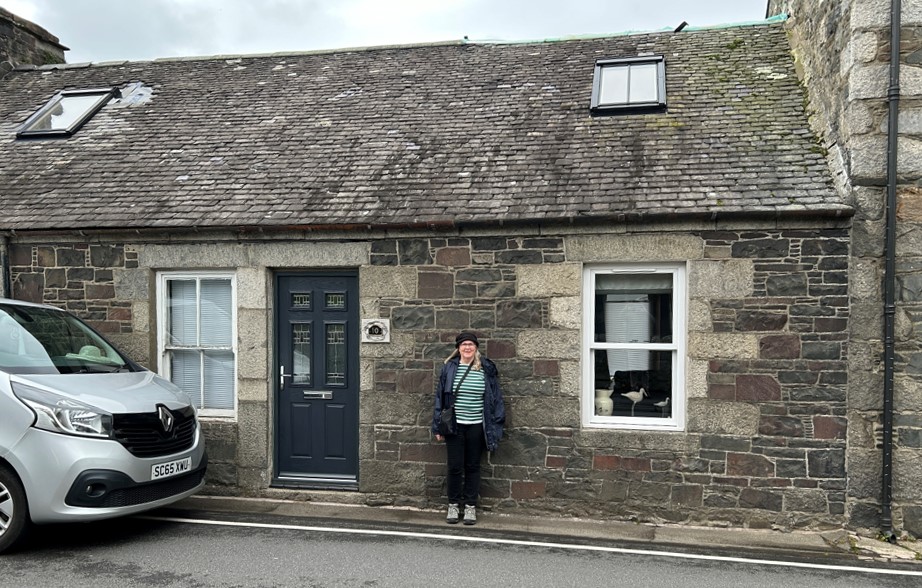
We had a couple of actual addresses and we visited these houses, knocked on the door, and had lovely conversations with the current residents. They were very interested to hear about the lives of people who once lived in those places.

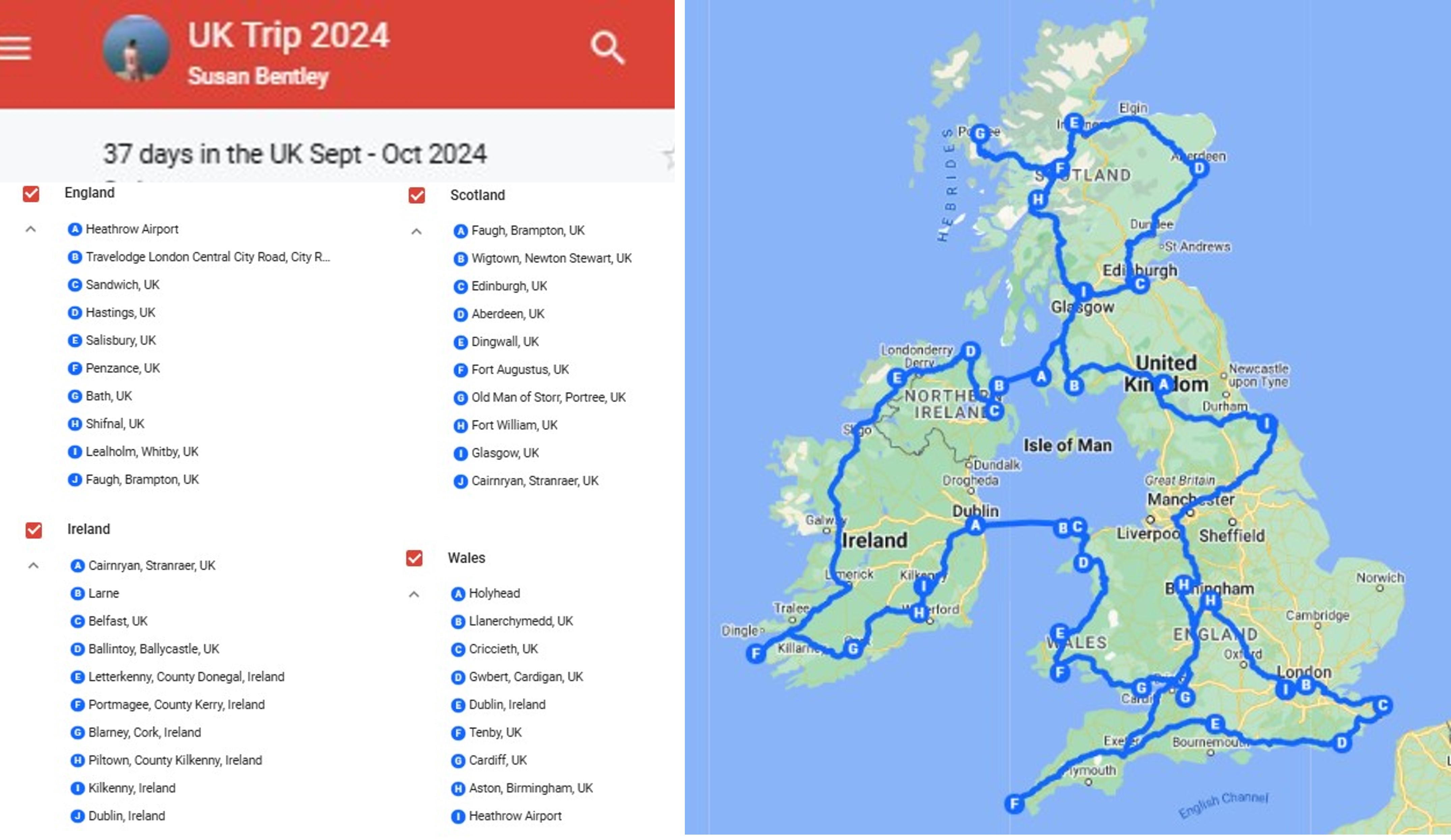
We also wanted to see as much of the UK and Ireland as we could in about six weeks, because the trip from Australia is awful, and a real deterrent and we doubt we will do this trip again. So, it really was a once in a lifetime journey for us. Well, second, as we had flown in and out of London back in 2008.
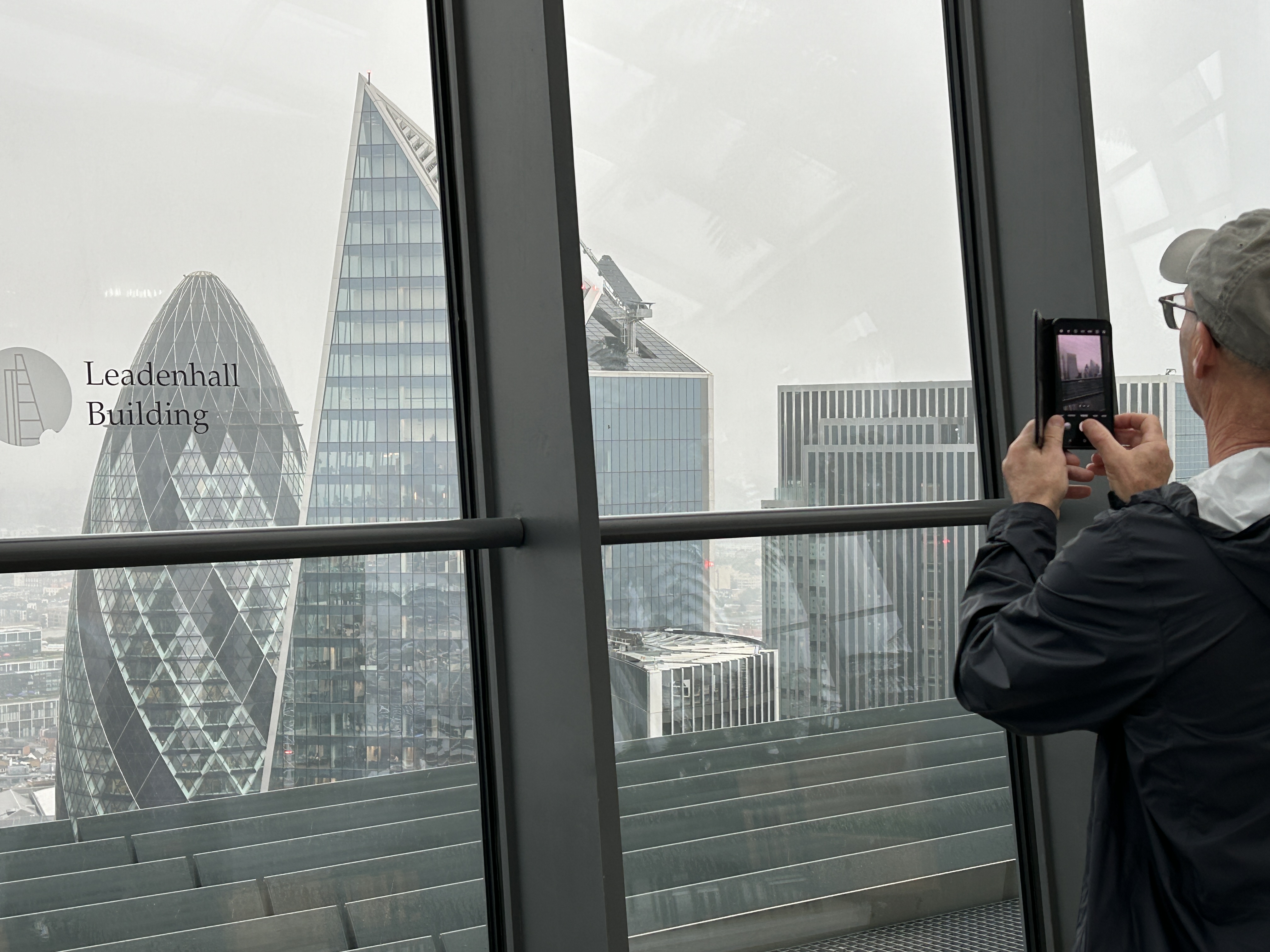
We spent a few days in London at the beginning of this trip and visited some places we had not last time. We had done the actual version of my armchair travel exercise and we were keen to get out of the city.
I had formed a loose itinerary, noting the places we wanted to see. We aimed to visit possibly two castles; however, it is hard to avoid castles, and we ended up visiting eleven up close. The most impressive to us is Arundel Castle in England.

Here is a list of the castles we visited in the order that we were there: (Learning about the history of these castles is something else and I have provided the links for more information:
- Arundel Castle, England
- Carlisle Castle, England
- Edinburgh Castle, Scotland
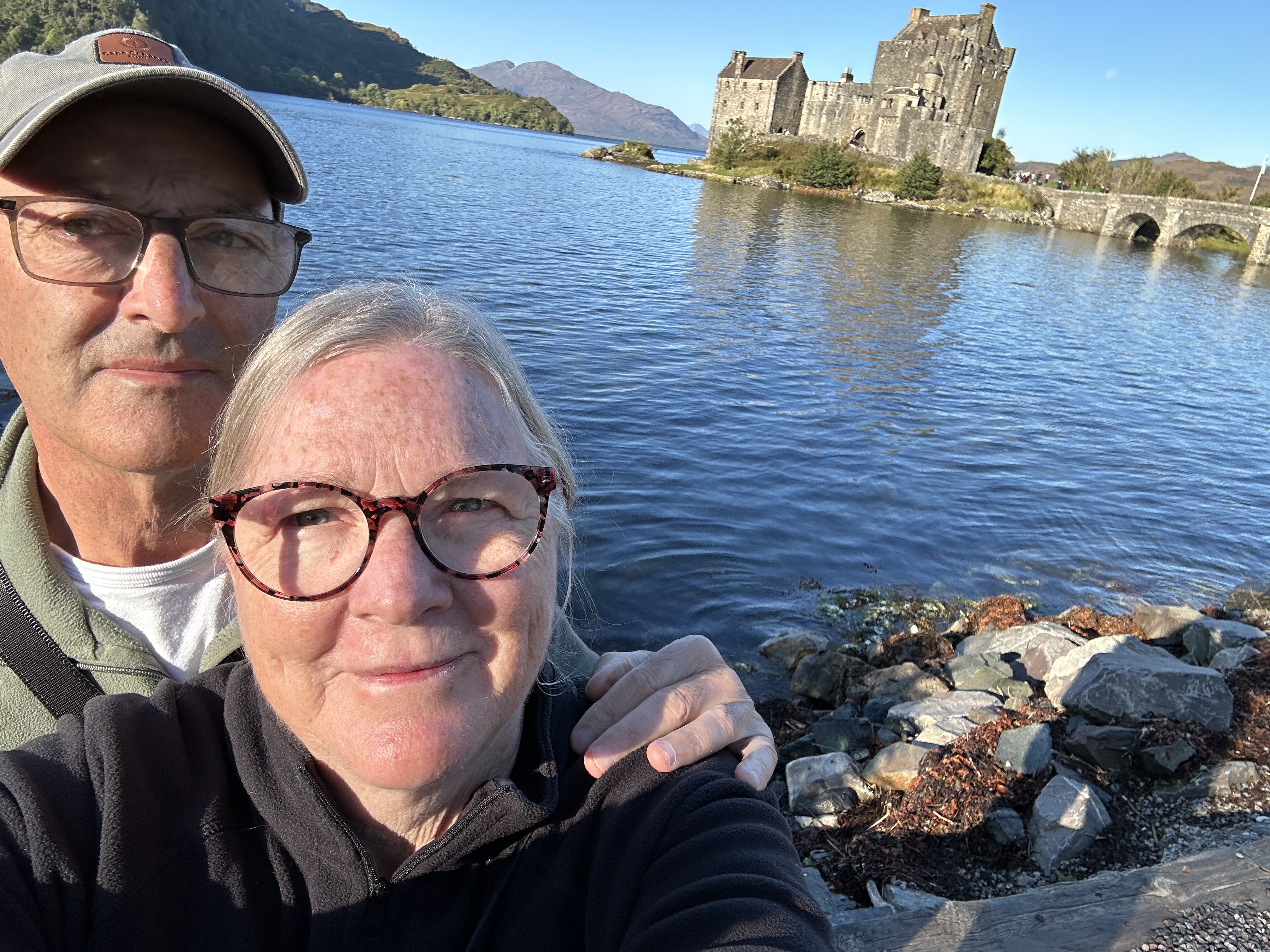
- Eilean Donan Castle, Scotland
- Dunluce Castle, Northern Ireland
- Blarney Castle, Ireland
- Kanturk Castle, Ireland
- Dublin Castle, Ireland
- Criccieth Castle, Wales
- Cardiff Castle, Wales
- Caerphilly Castle, Wales
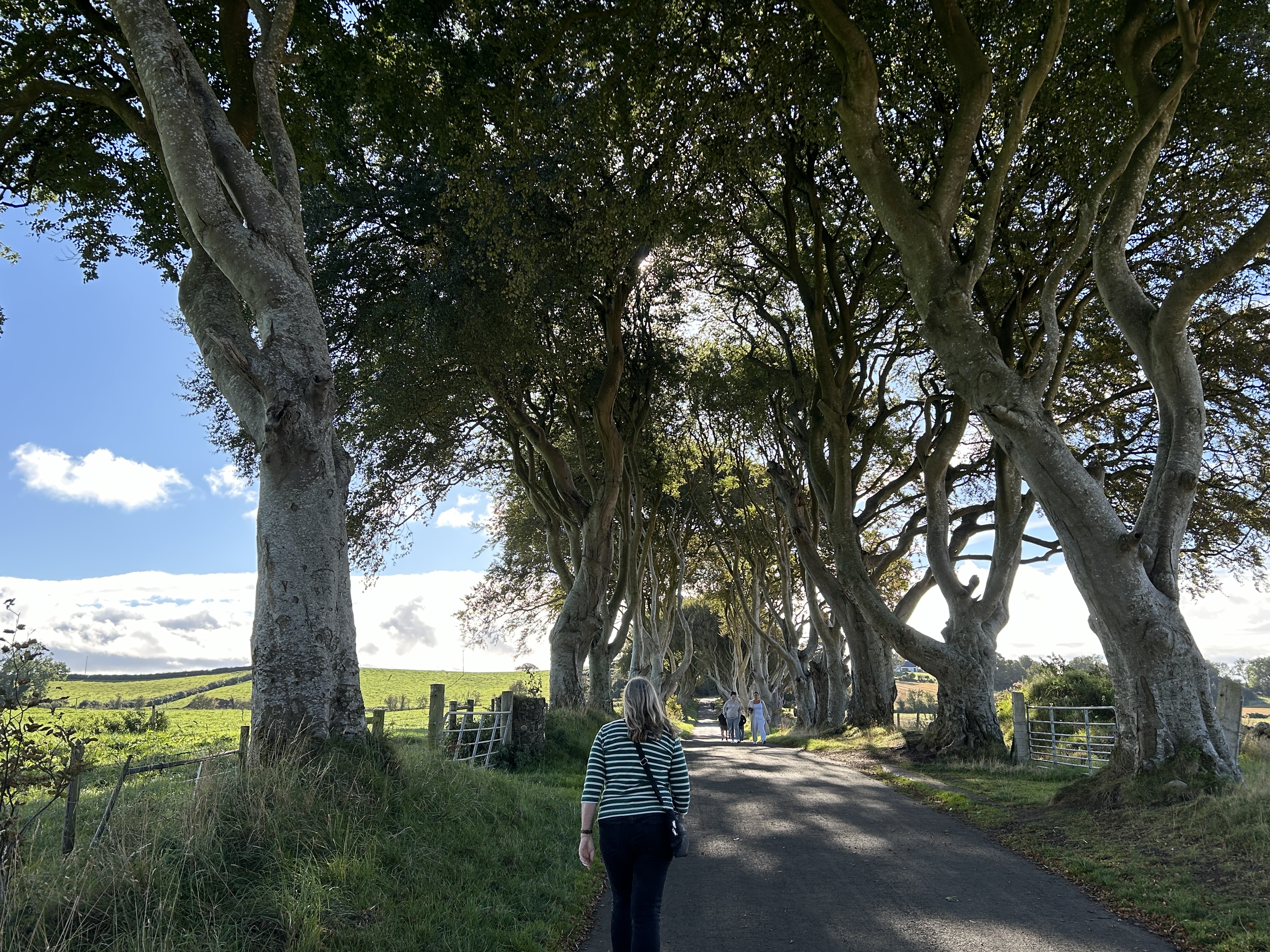
There were other places we wanted to see motivated by those gorgeous photos seen online, such as the Harry Potter train and bridge known as the Jacobite Steam Train and the Glenfinnan Viaduct, a particular curved street in Edinburgh, Portree and the Old Man of Stor on the Isle of Skye, Eilean Donan Castle, the Dark Hedges in Northern Ireland, to name just a few.

And while we did make it to see these places and to take another iconic photo, there is a lot the camera does not pick up. Such as full car parks, queues of gridlocked traffic, crowds and queues of people, bad weather obscuring the view, no place to stop the car, and other things.

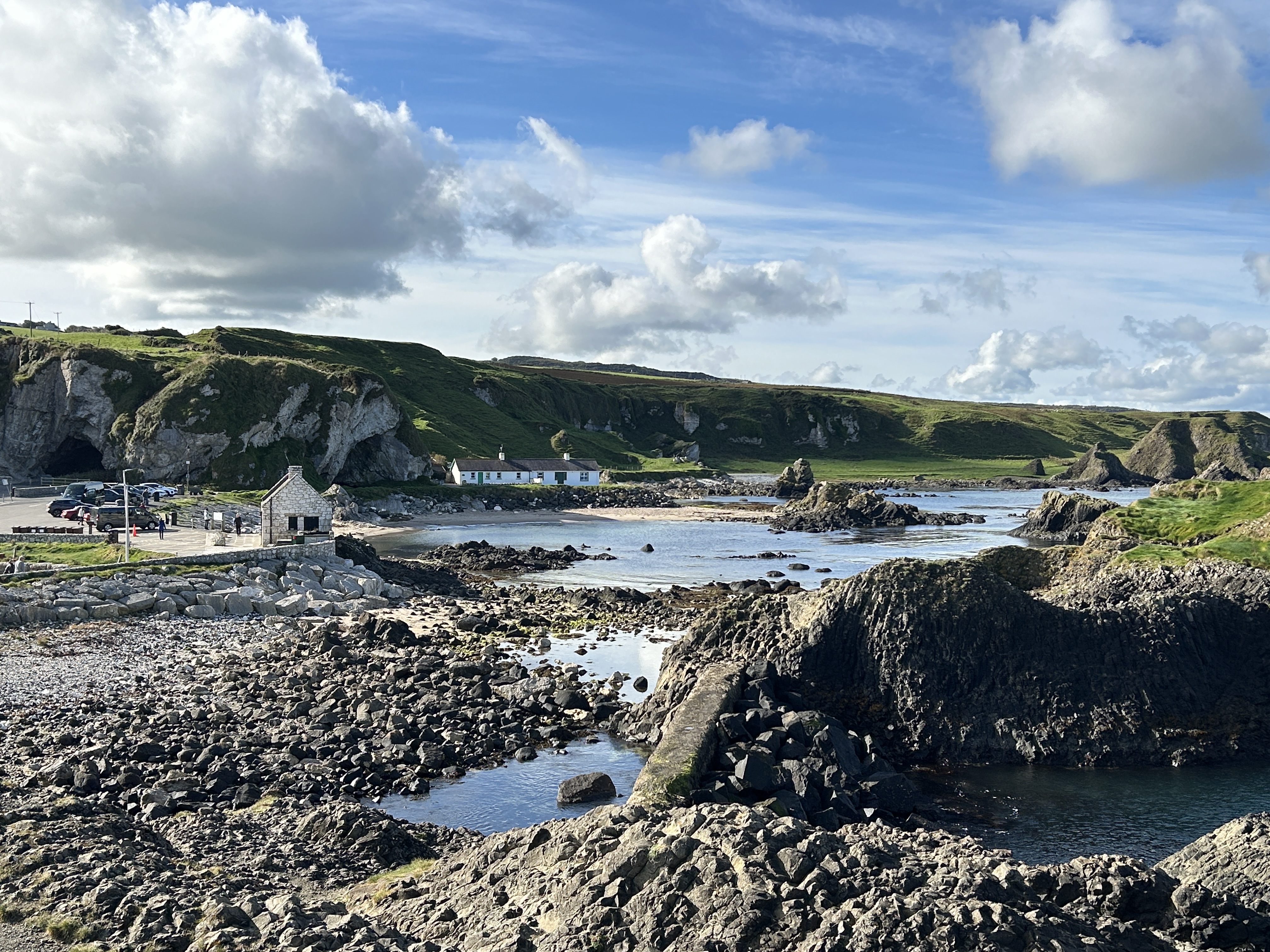
And while those places are not to be missed, and we chased the touristy things like everyone else, we also found lots of beautiful places and experiences in other areas that are not earmarked for the tourists. Ballintoy Harbour in Northern Ireland is one of those, and we enjoyed scrambling around on the rocks looking out towards the Atlantic Ocean and the Isles of Scotland. By chance we discover that this is where they filmed the scenes for the Iron Islands in Game of Thrones.
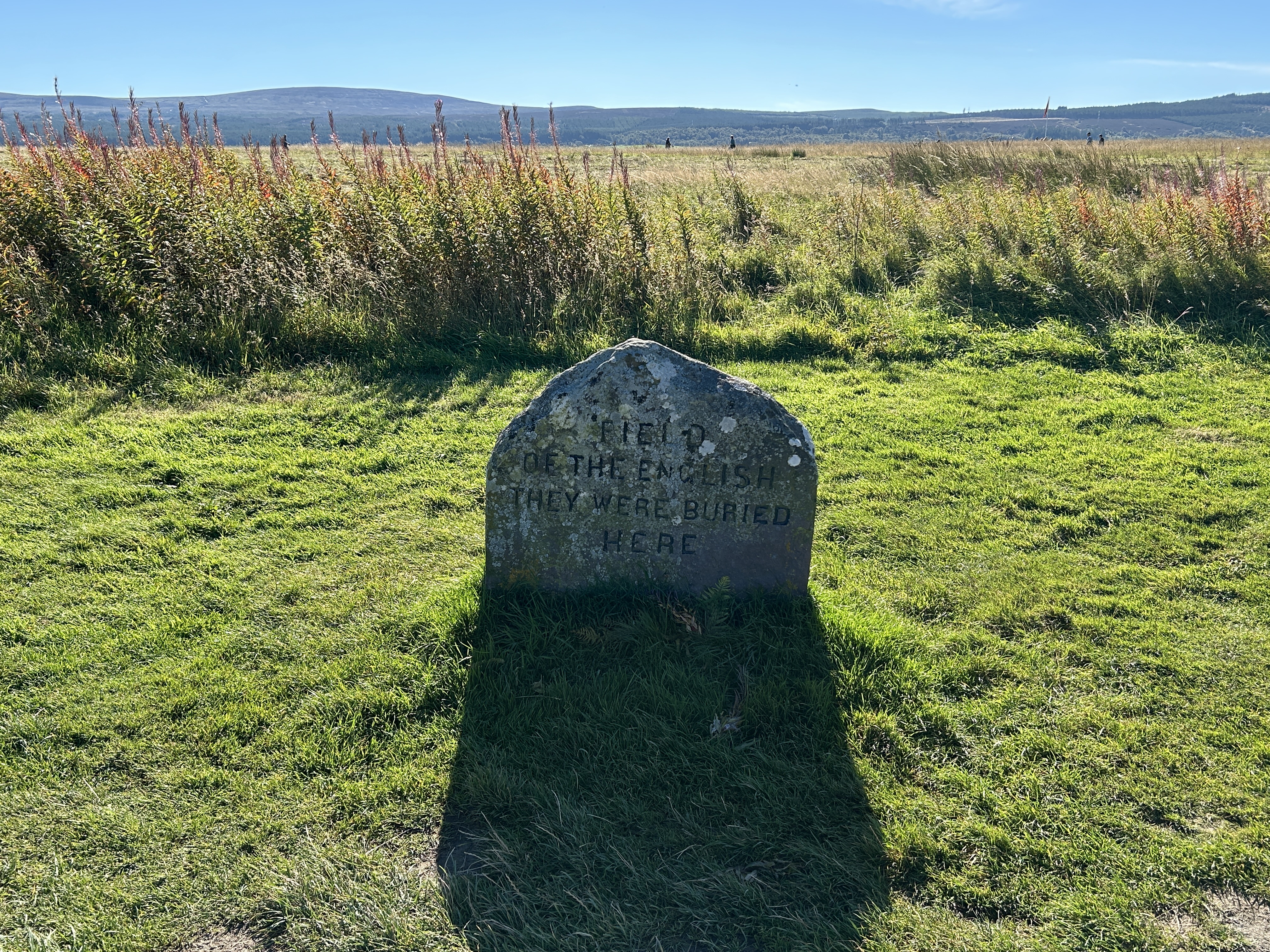
We were blessed with beautiful Autumn weather. The sun shined, the skies were blue, and we often wore tshirts. I imagined striding across the Battlefields of Culloden with icy rain beating our faces, but it was a gorgeous stroll along the paths beside the grassy fields, under a blue sky.
These are some of the highlights of our trip:
We loved meeting and talking with local people, everyone always friendly. Although we were often mistaken as ‘British’ until we clarified that we are Australian.
I never got tired of the green fields and lush forests.
Seeing squirrels in the beautiful city parks.
Hearing bagpipes in unexpected places in Scotland is a treat.
Looking for the Loch Ness Monster while aboard the cruise boat and hearing their theories.
Seeing the bold Harry Potter train chug happily across the Glenfinnan Viaduct.
Driving through the Scottish Highlands is breathtaking and tempts you to hike and explore.
Looking for quaint fishing villages and finding many.

The Isle of Skye is reminiscent of New Zealand.
Walking up to the Old Man of Stor and not making it, but seeing the sea and lakes appear below the morning fog, reflecting the blue sky.

The beauty and smallness of Ireland and Scotland.
The sea ferry journeys between Scotland and Northern Ireland, and then Dublin and Wales.
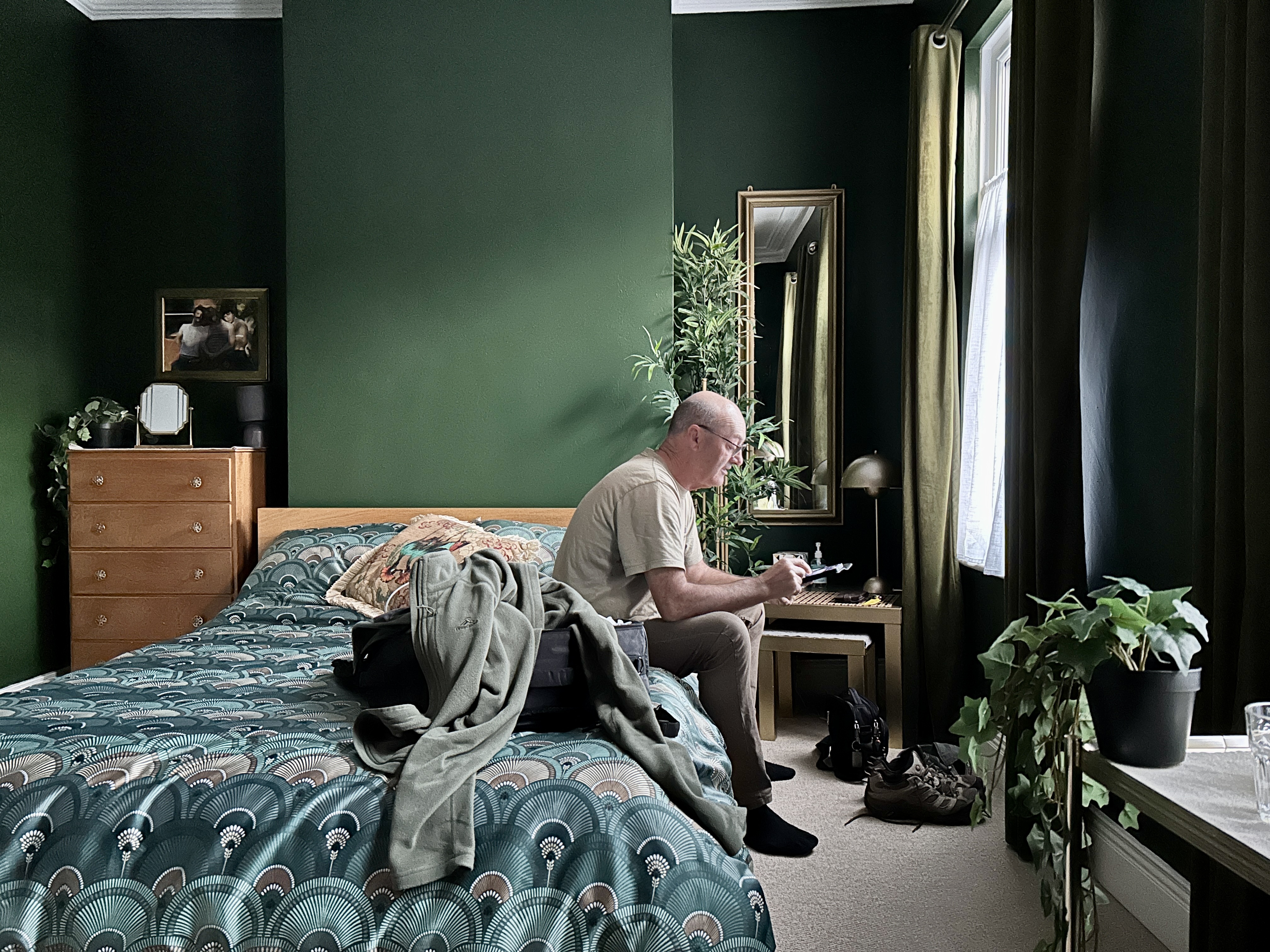
We spent 37 nights staying in 28 different B&Bs or hotels, using Booking.com as our guide.
In Blarney Ireland we met a formerly unknown distant cousin who had reached out via Ancestry DNA Matches, and we spent a lovely time with him, sharing our stories, and chatting about history.

We are exceedingly happy to be back home in Australia, glad of the experience, and we are still processing all that we have seen and what this means to us. We have so many photos and I am still sorting through them. I will probably make a few photo stories for our own reminiscing.

As a personal pilgrimage it was invaluable and gives more meaning to our own family histories. I will add a chapter to my story.


 Sues Bent