
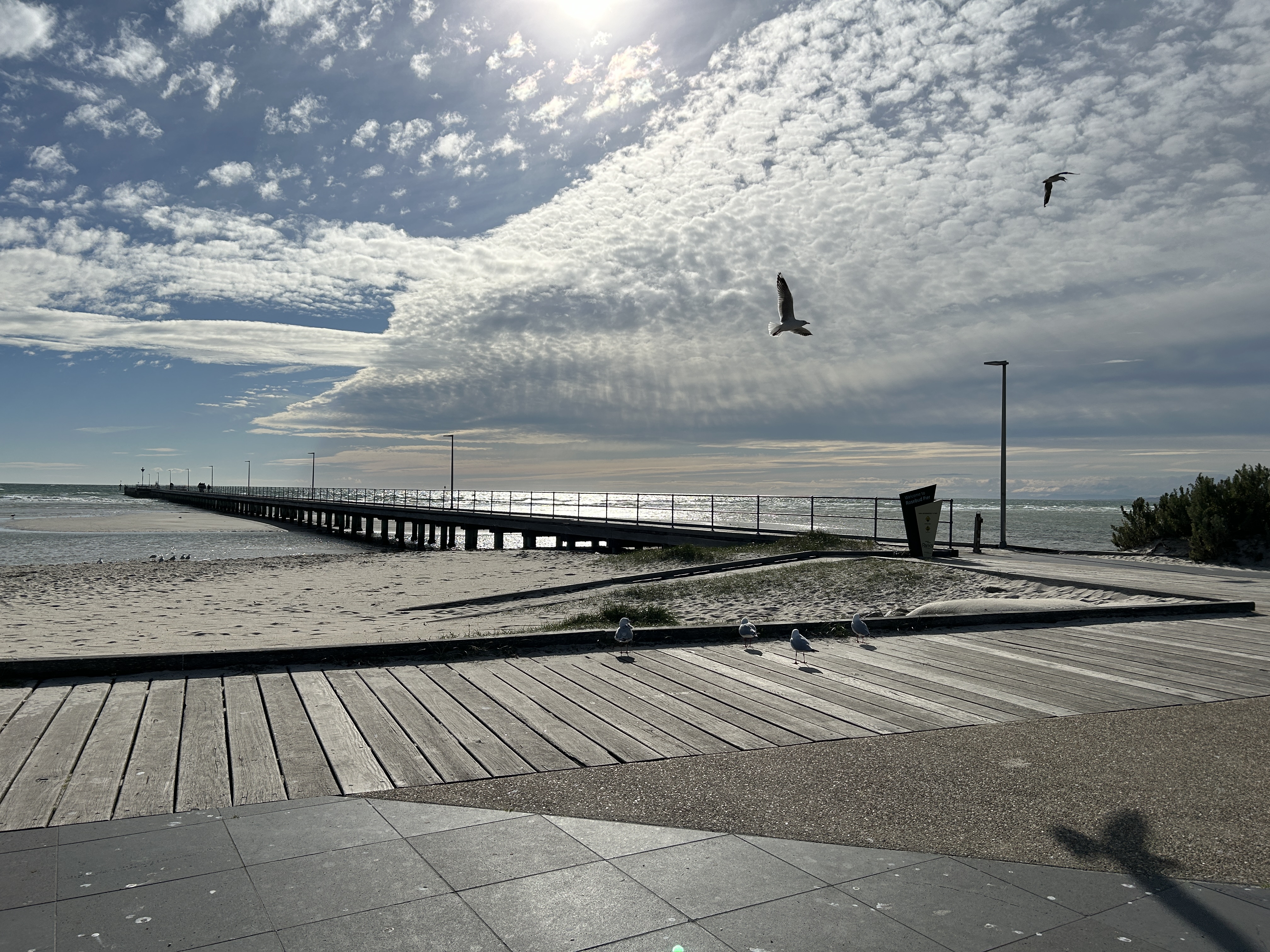
My daily walk looks like this:
My virtual walk took me to the other side of the world, to London. We had visited London in 2008 and visited the well-known tourist spots such as Buckingham Palace, Trafalgar Square, the Tate Modern, Tower Bridge, and other places.

So today I aim to wander, virtually, in another part of the city. I begin at Old Street Station north of the city.
Southwards down City Road I come to Bunhill Fields which is an old burial site. Therein lie the graves of William Blake who wrote Robinson Crusoe and died in 1827. Also, Daniel Defoe who wrote Pilgrim’s Progress and he died in 1731. It no longer serves as a cemetery and is now a public green space, and home to grey squirrels.
Cutting through the pathway of Bunhill Fields I head north to the City Road Basin in order to pick up the canals. The paths beside the canals are popular and wide and once were the pathways for horses that drew the barges along the canals ferrying goods to and from London. Joolz points out the evidence of this in his entertaining trip along the canals that he has published on his YouTube channel.
Nowadays many barges line the canals as living quarters and a lifestyle choice. No permanent mooring is allowed, so every two weeks the barges must move to another spot – a never-ending game of musical moorings.
I continue to follow the Grand Union Canal enjoying the city sights all the way to Camden Market. Here I spend hours looking at the diverse variety of goods for sale. I buy some local fare for lunch.
I hop on the tube at Camden Town and make the short trip to Kings Cross Station. Here I take in all the activity of the Coal Drops Yard, before admiring the stunning architecture of the new structure sitting alongside the old building. The new structure is over ten years old now and this informative video explains design and building process of the architecture.
Locating the site for the fictional Platform 9 ¾ I pass by the long queue of Harry Potter fans. What is there to see after all, but a brick wall with a sign on it?
Outside I walk next door to St Pancras Station This heritage building has been preserved, the highlight being the huge metal arches that form the structure for the station. I watch the interesting presentation with Tim Dunn speaking with Josie Murray about the history and architecture of the building.
Next along Euston Road I visit the British Library, a must for any authentic Librarian of course. By comparison, the modern brutalist external façade pales beside its railway neighbours. It is a relatively new red brick building opened in 1998 and houses many collections of National importance. Beyond the open courtyard, the multilevel interior space is light inviting exploration and browsing. Of course, most of their collected items are stored in a robot-controlled warehouse in another part of England. If you want one of these items you need to give 48 hours’ notice, then you can read it in one of the Reading Rooms of the British Library.
Ancient texts and rare illustrations are on display, providing insight into how some of these precious ideas were created.
Further south I visit the British Museum that once housed the library collections. We had visited this place back in 2008.
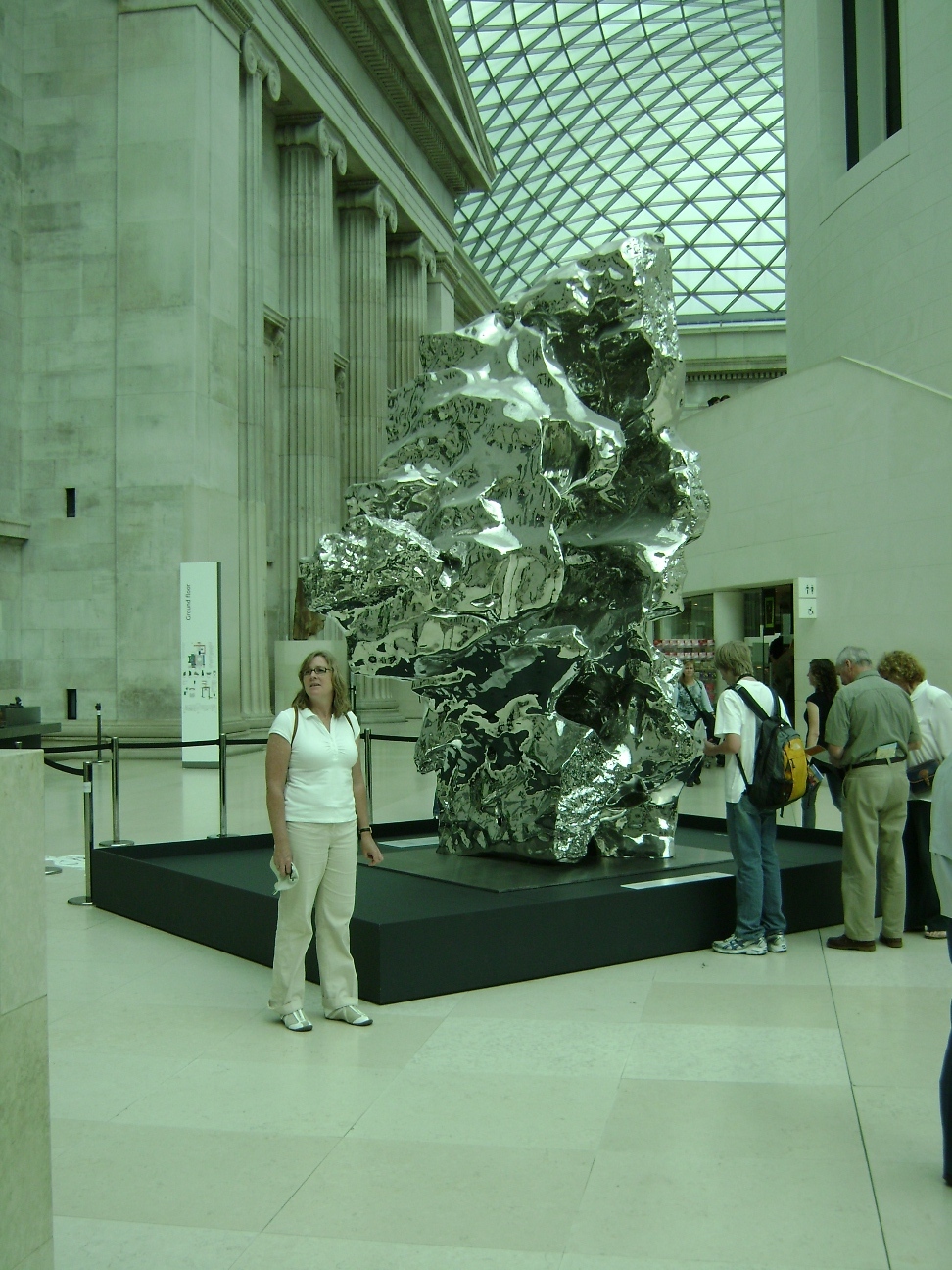
This museum opened in 1759 welcoming visitors from around the world. “The Museum is driven by an insatiable curiosity for the world”, and the collections and displays support our vast human history.
Inside the Great Court of the museum is light filled atrium that surrounds a central circular domed Reading Room that was built from 1854 – 1857. Unfortunately, this room is now closed to the public.
Exploring some of the many galleries, the Egyptian history exhibition never disappoints. A virtual tour provided by Google Arts & Culture takes me back to my visit in 2008 and is a fantastic experience for the Armchair Traveller.

With a head full, stimulated by visual and mental images and information I complete this virtual wander through part of London. In researching this virtual wander, I enjoyed being taken along with Joolz and A Lady in London. Hopefully this virtual walk will become a reality soon.


 Sues Bent